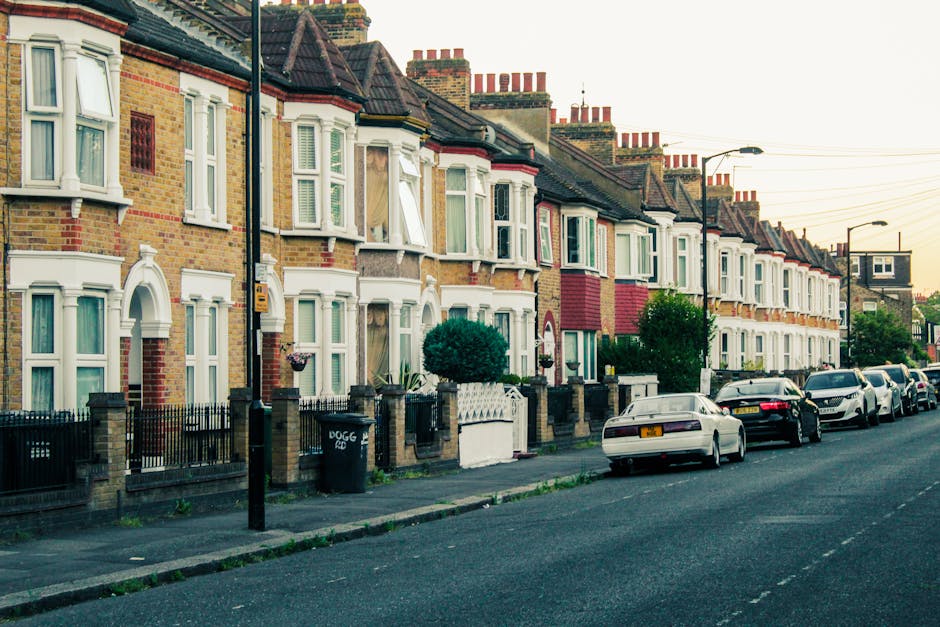
SW11 moving tips local removals and parking advice
Moving in SW11 can feel straightforward on paper and strangely fiddly in real life. One minute you are packing plates and hanging rails, the next you are staring at a narrow street, a delivery bay, and a van that definitely needs more room than you hoped. That is exactly why SW11 moving tips local removals and parking advice matter: they help you plan the move around Battersea's local access quirks, not just the boxes.
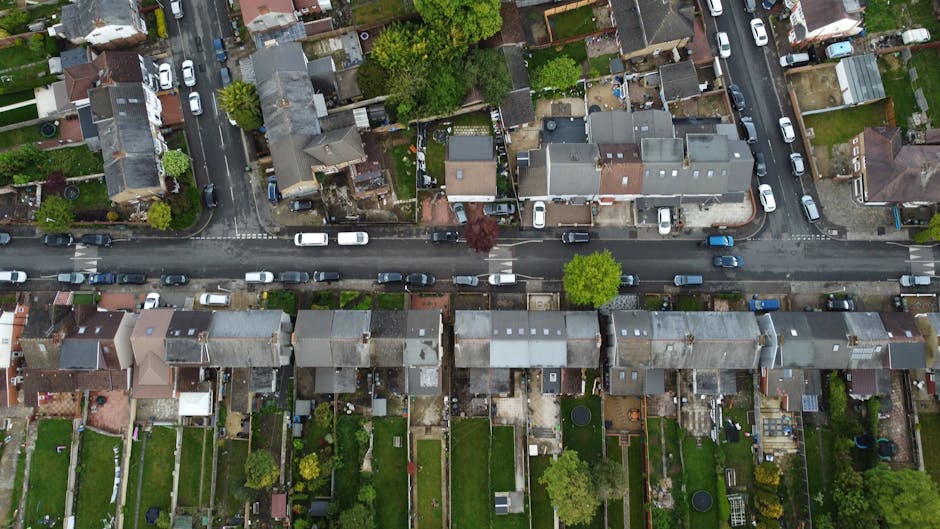
Whether you are moving out of a flat near Clapham Junction, settling into a family house closer to Battersea Park, or coordinating a same-day load-in after a rushed completion, the small details decide how calm the day feels. Parking, loading, stair access, lift timings, and packing order all make a difference. In this guide, you will get a practical, local-first breakdown of what to do, what to avoid, and how to keep your moving day moving. Let's face it, nobody wants the lorry blocking the street while someone hunts for a trolley at 8:15 on a wet Tuesday.
Why SW11 moving tips local removals and parking advice Matters
SW11 is a busy part of south-west London, and that means moves are often shaped by the street, not just the property. A good removals plan in Battersea is not only about carrying furniture safely. It is about timing the vehicle, understanding whether your road is likely to be tight, and making sure the loading process does not become a waiting game. In other words, the move begins before the first box leaves the hall.
Parking is the big one. In many local moves, the difference between a smooth day and a stressful one is whether the van can stop close enough to the entrance. If it cannot, the team may need extra trips, longer carrying distances, and more time on the clock. That can affect cost, energy, and the whole rhythm of the day. Even a well-packed move can unravel if the vehicle is circling while someone is trying to hold a lift open.
Local removals advice also matters because flats, maisonettes, terraces, and converted buildings tend to create different access issues. A top-floor flat without a lift is a very different job from a ground-floor move with a wide drive. If you know what type of access you are working with, you can choose a man and van service, a larger vehicle, or even a fuller removals setup with the right equipment. That choice alone can save a lot of faff.
There is another reason this topic matters: confidence. When you know the parking plan, packing order, and access points, the move feels manageable. People often underestimate how much calm comes from basic preparation. A few practical decisions early on can stop a whole chain of delays later. Not glamorous, but very effective.
How SW11 moving tips local removals and parking advice Works
The practical side of a Battersea move usually follows the same pattern: assess access, match the vehicle, prepare the packing, and coordinate the arrival window. Sounds simple. It rarely is. Still, if you treat those four steps seriously, the move becomes much easier to control.
Start with the property itself. Is there a front entrance with room for loading? Is the back access usable? Are there stairs, a lift, tight corners, or shared corridors? These details matter because they determine how quickly items can move from room to vehicle. A sofa that fits in the van is useful; a sofa that fits through the stairwell is better.
Next comes the parking reality. In SW11, parking spaces can be limited, and even where a vehicle can stop, it may not be the most convenient position for loading. The smartest approach is to think about the short walk from door to van as part of the move itself. If the team has to carry items across a longer stretch of pavement, factor that into timing and load sequencing.
Then there is packing. Proper packing is not only about protecting the contents. It is also about speed. Boxes that are clearly labelled, grouped by room, and packed in sensible weight ranges are easier to load and unload. If you need help with that side of things, it may be worth looking at packing and boxes support or even packing and unpacking services for a more hands-off approach.
Finally, the move should be timed around the real-world constraints of the area. Early starts can help, but they are not a magic wand. Busy roads, school runs, deliveries, and building access rules can all influence the day. Sometimes the best move is the boring one: a clear booking window, a clear loading plan, and a backup for awkward parking. Boring, yes. Also brilliant.
Key Benefits and Practical Advantages
Good local moving advice pays off in small ways that add up quickly. The obvious benefit is less stress, but there are several more practical gains worth knowing about.
- Faster loading and unloading: A vehicle positioned sensibly can cut down on carrying distance and wasted time.
- Lower risk of damage: Fewer unnecessary lifts, less corridor traffic, and better packing all reduce the chance of knocks and scrapes.
- Better control of costs: If the removals team spends less time waiting or walking long distances, the move is usually easier to manage financially.
- Smoother coordination with neighbours and building rules: A clear plan is less disruptive in shared buildings or narrow streets.
- Less chance of last-minute panic: Knowing where the van can stop and which items go first changes the mood completely.
There is also a quieter benefit: you make better decisions. Once you understand the access and parking conditions, you can decide whether a smaller vehicle, a bigger removal truck, or a more flexible service is the right fit. That is especially helpful for flats, student moves, and short-notice relocation jobs. A good match saves trouble before it starts.
If you are moving a full household, a more structured service like home moves or house removals may suit you better than a bare-minimum option. For smaller or simpler jobs, a removal van can be a practical choice. The key is not choosing the biggest thing available. It is choosing the right thing for the street, the stairs, and the actual volume of belongings. Obvious? Maybe. Missed? Often, yes.
Who This Is For and When It Makes Sense
This guide is for anyone moving in SW11 who wants fewer surprises on the day. That includes renters, homeowners, students, landlords, and business owners. It also helps if you are moving on a tight schedule or dealing with awkward access. If any of those sound familiar, the parking side of the move deserves more attention than people usually give it.
It makes particular sense for:
- people moving from or into flats with shared entrances
- households on streets where parking is limited or seasonal demand is high
- students moving in term-time when roads and pavements are busy
- small businesses relocating equipment or stock
- anyone coordinating a completion, tenancy handover, or same-day handover
If you are moving a one-bed flat, it can be tempting to treat the job as lightweight and easy. Truth be told, flat moves can be trickier than larger house moves because access is often tighter and parking less forgiving. That is where flat removals can be especially useful. The service style matters as much as the room count.
For students and sharers, the practical issues are slightly different. There may be multiple destinations, narrower stairwells, and a lot of small items packed into too few boxes. In that case, student removals can make the day feel less chaotic. For office or studio moves, the priority may be getting the vehicle close to the entrance and keeping disruption to a minimum; office removals and commercial moves are built around that sort of need.
Step-by-Step Guidance
If you want a calm move in SW11, think of it like a short project plan. The more you decide before moving day, the fewer judgement calls you need to make when the clock is ticking.
- Check the access at both properties. Measure doorways if needed, note stairs or lifts, and think about how furniture will move through the building. You do not need an engineer's sketch, just sensible preparation.
- Review parking options early. Look at where a van could realistically stop, how far that is from the entrance, and whether there are any obvious pinch points.
- Decide on the right vehicle and team size. A small load may suit a van; a bigger house move may benefit from a more substantial vehicle or a full removal team. If the route is awkward, being under-equipped is a false economy.
- Pack by room and weight. Keep heavier items in small boxes, protect fragile things, and label each box clearly. "Kitchen" is better than "misc," every time.
- Prepare the key items separately. Documents, chargers, medication, kettle, toiletries, pet supplies, and a change of clothes should be easy to reach. These are the things you will want before the last box is unpacked.
- Reserve the day's load order. Big, stable items generally go first, then boxed goods, then fragile or awkward items. That helps the vehicle fill in a way that stays safe and efficient.
- Keep a parking fallback in mind. Sometimes the obvious spot is taken. A backup plan may be as simple as having someone watch the road while the van is repositioned.
- Leave a little breathing room. Do not schedule the handover, the lift booking, and the vehicle arrival all at the exact same minute. A buffer of even 20 minutes can save a lot of muttering.
If you are arranging the move yourself, local support from a man with a van or a broader removal services provider may be enough. For larger moves, a moving truck or removal truck hire may be more appropriate. The right answer depends on access, volume, and how much lifting you want to do yourself.
Expert Tips for Better Results
A few practical habits make a surprising difference, and most of them are simple enough to use immediately. They are the kind of details you only learn by seeing a lot of moves go slightly sideways. Not disaster-level sideways. Just enough to be annoying.
First, separate "can be moved" from "should be moved first." The first items into the van should not be random. Put the most awkward or most stable items in early so the load has a solid base. Softer items can fill gaps later.
Second, think about the street as well as the property. A move can be slowed by buses, school traffic, cyclists, delivery vans, or a neighbour's last-minute parking decision. It happens. It really does. If you can, pick a slot that gives you a cleaner run at the road.
Third, protect the bits that get forgotten. Door frames, banisters, and corners on older SW11 properties can take a knock if the day gets rushed. A careful team will manage that, but a quick bit of planning still helps. It is especially useful in tight hallways or basement conversions.
Fourth, keep your paperwork and keys together. Completion paperwork, tenancy details, building access instructions, and reserve keys should not be buried in a random box. That is how a move turns into a scavenger hunt.
Fifth, if parking is uncertain, say so early. Honest information helps the removals team plan the vehicle and manpower. That is much better than pretending there is a perfect spot and hoping for the best. Hope is not a parking strategy.
When security, insurance, and trust matter, it is worth checking the service information carefully. Pages like insurance and safety, health and safety policy, and terms and conditions help set expectations clearly. That gives you a better sense of how the move is handled and what standards are in place.
Common Mistakes to Avoid
Most moving problems are not dramatic. They are small oversights that snowball. Here are the ones that show up again and again in local removals.
- Ignoring parking until moving day: This is the big one. If the vehicle cannot stop safely and reasonably close, everything gets slower.
- Overfilling boxes: A box packed like a brick is awkward to carry and more likely to split. Keep heavy items manageable.
- Leaving fragile items unlabelled: "Careful" on the side of a box is not a plan. Clear labels and sensible packing are better.
- Forgetting building rules: Some properties have lift restrictions, booking windows, or access instructions. Miss those, and the whole day feels harder.
- Not measuring large furniture: Sofas, wardrobes, and beds can become a problem at the door or on the stairs. Measure first if you are unsure.
- Underestimating how long unloading takes: The load-in is only half the story. The new property also needs room, time, and clear access.
Another subtle mistake is choosing a service based on price alone. A cheap-looking option can become expensive if it is the wrong size or not set up for awkward access. That is one reason many people compare options before booking. A quick look at removal companies and the style of service they offer can save you from an awkward mismatch. If you know your move is odd, fiddly, or time-sensitive, that comparison step matters more than people think.
Tools, Resources and Recommendations
You do not need a mountain of equipment to move well, but the right basics help. Here is a sensible starter list for most SW11 moves.
- strong cardboard boxes in mixed sizes
- packing tape and a marker pen
- blankets or protective wraps for furniture
- labels for room-by-room sorting
- a screwdriver or small tool kit for dismantling beds and shelves
- bin bags for soft goods and quick clear-outs
- snacks, water, and a phone charger, because the day gets long
For people who want less hands-on effort, a full packing service can be worth considering, especially for families, busy professionals, or anyone with a tight turnaround. Packing and unpacking services reduce the number of tiny decisions you need to make on moving day, which is often more valuable than it sounds. There is a reason experienced movers love a good label system. It saves brains, not just time.
Storage can also be part of the solution if dates do not line up neatly. Maybe your completion slips. Maybe your new place is not ready. Maybe you simply do not want to cram everything into a temporary room. In those cases, storage can bridge the gap and keep the move from becoming a panic.
For anything bulky, awkward, or particularly valuable, services such as furniture removals and piano removals are worth considering because specialist handling changes the risk profile quite a bit. It is one thing moving boxes. It is another moving a heavy upright through a narrow landing while trying not to breathe too loudly.
Law, Compliance, Standards, or Best Practice
For most domestic moves, the important thing is not memorising law. It is following sensible UK moving practice, staying safe, and respecting property and parking rules. If you are using public roads or loading on a shared street, the practical concern is always whether the vehicle can stop without causing avoidable obstruction or danger. That is as much a courtesy issue as a logistics one.
If you are moving from a managed building, it is sensible to check access instructions in advance. Many developments have their own procedures for loading bays, lift bookings, service entrances, or concierge notification. That is not unusual, and it is usually easier to comply than to improvise. A quick email or note from the building manager can save a lot of delay.
From a safety point of view, proper lifting technique, well-packed boxes, and a clear path matter more than most people realise. Heavy items should be lifted by enough people, and awkward items should not be rushed down stairs. If you are arranging help, look for a provider that explains safety clearly, such as the information on health and safety policy and insurance and safety. That kind of transparency is a good sign.
There is also a wider good-practice angle around recycling and disposal. Many moves create unwanted packaging, old furniture, and leftover household items. Responsible sorting, reuse, and disposal matter. If that side of the move is on your list, the page on recycling and sustainability is worth a look. It is a small thing that helps the move feel cleaner, physically and mentally.
Options, Methods, or Comparison Table
Different moves in SW11 call for different setups. Here is a simple comparison to help you think clearly before you book anything.
| Option | Best for | Strengths | Trade-offs |
|---|---|---|---|
| Man and van | Small to medium loads, flexible access, quick local moves | Flexible, efficient, often easier in tight streets | Less capacity than a larger vehicle |
| Removal van | Simple house or flat moves with moderate volume | Good balance of capacity and manoeuvrability | May still require careful parking planning |
| Removal truck hire | Larger moves, fuller homes, multi-room loads | More space, fewer trips | Needs more room and more confident access planning |
| Full removal services | Busy households, complex access, valuable or heavy items | More support, less stress, better coordination | Usually the most involved option |
There is no single best answer here. A compact flat move with awkward parking may actually suit a smaller, more nimble setup better than a larger vehicle. On the other hand, if you are moving a whole family home, trying to squeeze everything into a too-small van is a classic mistake. You can guess how that ends.
If you are still deciding, compare the job size with the access, not just the number of rooms. That is the better way to choose between man with a van, removal van, and bigger moving support. Space on the road matters almost as much as space in the house.
Case Study or Real-World Example
Here is a realistic Battersea-style scenario. A couple is moving from a second-floor flat near a busy residential street in SW11 to a terraced house a short drive away. The flat has stairs, no lift, and only limited stopping space outside. The new place is easier to access, but the old one is not.
They start by packing non-essential items a week ahead and label everything by room. They also separate the essentials box: kettle, mugs, phone chargers, toiletries, and documents. Sensible, and very noticeable on the day when the first thing they want is a brew.
Next, they decide not to use a large vehicle. Instead, they choose a more practical setup that can approach the street without causing unnecessary trouble. Because parking is tight, the loading plan is kept simple: large furniture first, boxed items next, and fragile pieces last. The team knows where the sofa is going before it reaches the pavement, which saves time and avoids double handling.
The biggest win is that they check access at both ends beforehand. No one is surprised by the stairs. No one has to re-pack boxes in the rain. There is a tiny delay while a car is moved from a space nearby, but because they planned a little buffer, it does not derail anything. By mid-afternoon, the move is mostly complete and the couple can actually enjoy the first open box in the new kitchen. That moment-slightly chaotic, slightly triumphant-is the real reward.
Practical Checklist
Use this checklist to keep your SW11 move under control. It is short on drama and long on usefulness.
- Confirm move date, access times, and handover times
- Check whether the property has stairs, lifts, or narrow hallways
- Plan where the vehicle can stop and what the backup option is
- Measure large furniture if you are unsure about access
- Label boxes by room and priority
- Pack a clearly marked essentials box
- Keep documents, keys, and chargers separate from general packing
- Prepare protective materials for furniture and fragile items
- Tell the removals team about awkward access in advance
- Allow a time buffer for parking, traffic, and loading delays
- Set aside a plan for unwanted items, recycling, or storage
- Walk through the property once at the end to check nothing is left behind
Expert summary: In SW11, the move goes best when you treat parking, access, and packing as one plan rather than three separate problems. That is the whole trick, really.
Conclusion
SW11 moving tips local removals and parking advice are not about overcomplicating the process. They are about removing avoidable friction. If you understand the street, choose the right vehicle, and prepare your boxes with access in mind, the day becomes much easier to handle. That is true whether you are moving a studio flat, a family home, or a business space with awkward equipment.
The best moves tend to be the ones where people planned the unglamorous details early: parking, lift access, room labels, furniture size, and load order. None of that feels exciting in the moment. But when the van is parked properly, the boxes are labelled, and the team knows what is happening, the whole day feels lighter. A bit less noise, a bit less rushing, a lot fewer headaches.
Get a free quote today and see how much you can save.
And if you are still at the planning stage, that is fine too. A well-planned move is never wasted effort. It usually pays you back in calm, and honestly, calm is worth a lot on moving day.
Frequently Asked Questions
What should I know about parking for a move in SW11?
Think about where the van can stop safely, how far that is from your entrance, and whether there is a realistic backup spot. In Battersea, parking can be the difference between a smooth load and a slow one, so it is worth planning early rather than hoping for the best.
Is a man and van enough for a flat move in SW11?
Often yes, especially for smaller loads or properties with limited access. A man and van setup can be a smart choice when streets are tight and you do not want a larger vehicle circling for ages.
How far in advance should I plan local removals and parking advice?
As early as you can. Even a simple move benefits from a few days of planning, while larger or more awkward jobs should be organised sooner. The more complex the access, the earlier you should think about it.
What if I cannot get parking right outside the property?
That is common. The aim is usually the closest practical and safe position, not perfection. If the van needs to park a little further away, the move can still work well if everyone knows the route and the loading plan.
Do I need specialist help for a flat with stairs?
Not always, but stairs do change the job. If you have bulky furniture, fragile items, or a long carry distance, flat removals can make the process easier and reduce the chance of damage.
What is the best way to avoid delays on moving day?
Label boxes clearly, prepare an essentials bag, share access details early, and leave a buffer in your timing. Small delays happen. The trick is to stop them becoming big ones.
Should I use storage if my move dates do not line up?
Yes, storage can be a very practical bridge if completion, tenancy, or renovation dates do not match neatly. It is often better than squeezing everything into the wrong space for a few days.
Are packing and unpacking services worth it?
They can be, especially if time is tight, the move is large, or you simply want to reduce stress. Packing and unpacking services are especially helpful when you want the day to feel organised rather than frantic.
How do I choose between a removal van and a larger truck?
Look at the amount of furniture, the number of boxes, and the access at both properties. A larger vehicle may cut trips, but it is only useful if it can actually park and load without trouble.
What should I ask a removals company before booking?
Ask how they handle access, what size vehicle they recommend, how they deal with awkward parking, and whether their approach suits flats, houses, or commercial jobs. If you want a fuller service, removal services or removals may give you a better fit.
What if I need a move sorted quickly?
If your timing is tight, look for flexible help rather than trying to DIY everything at once. For urgent situations, same-day removals can be a useful option when availability and access line up.
Are there extra considerations for office moves in SW11?
Yes, because businesses often need less disruption, better timing, and clearer access planning. For desks, files, equipment, and stock, office removals and commercial moves are usually more appropriate than a simple domestic-only setup.
Where can I find more about trust, safety, and policies before booking?
It is sensible to review service information before you commit. Pages such as about us, insurance and safety, and payment and security help you understand how the company works and what standards it follows.